
Boost Engagement: AI-Powered Content Personalization in Email
Generic emails are dead. AI-powered content personalization is the future of email marketing. We show you how to tailor every message, at scale.
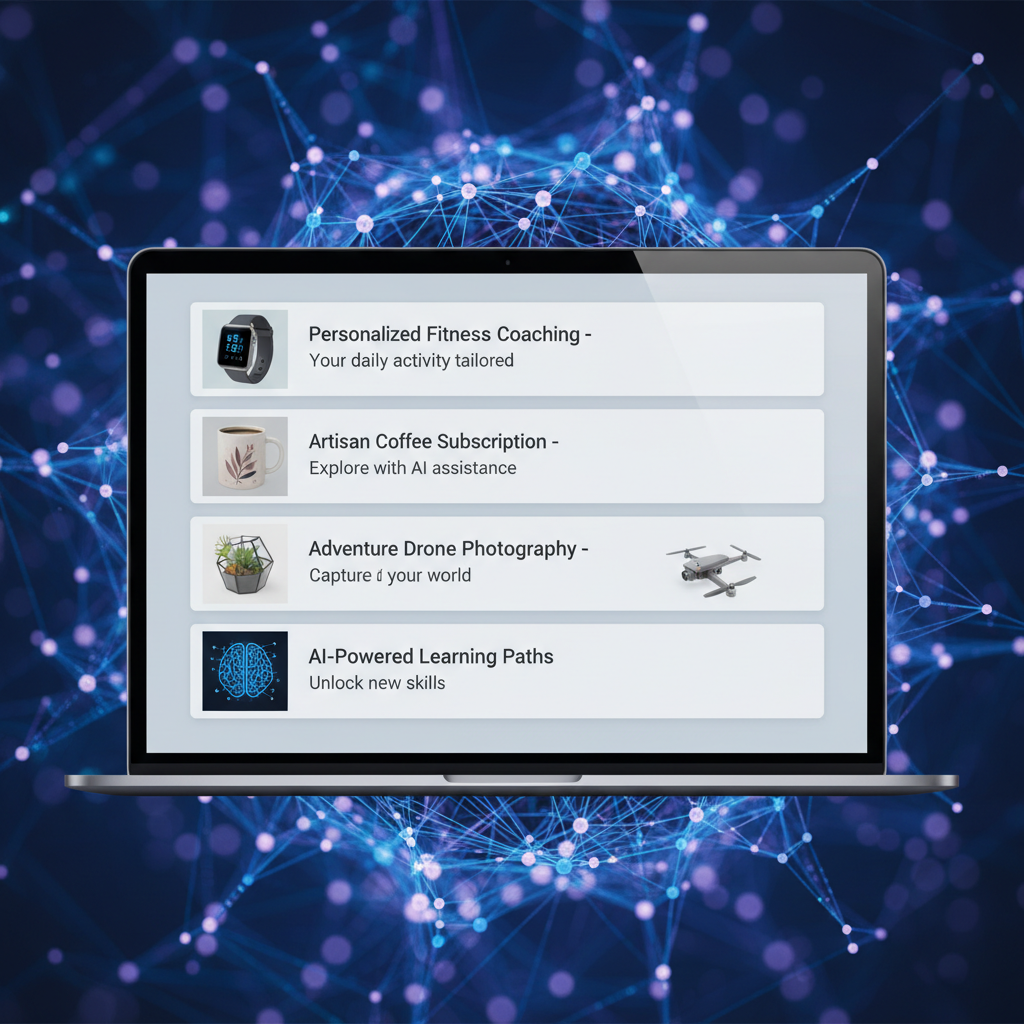
Email marketing is not dead. Far from it. But generic, one-size-fits-all emails? They're long gone. Your audience expects relevance. They demand it. And if you're not delivering, they're unsubscribing.
Enter AI-powered content personalization for email. This isn't just about dropping a first name into a subject line. This is about delivering hyper-relevant content to each subscriber, every single time. Automatically. At scale. That's the Alita way.
We're talking about emails that feel like they were written just for one person. Because, in a way, they are. AI makes this possible. It analyzes data, understands preferences, and crafts content that resonates. No more guesswork. Just better engagement, higher conversions, and a healthier bottom line.
Why AI-Powered Personalization is Your New Email Superpower
Think about your own inbox. Which emails do you open? The ones that speak directly to you. The ones that offer something you actually need or want. That's the power of personalization.
AI takes this to a whole new level. It moves beyond simple segmentation. It allows for true individualization. Here's why it's a game-changer:
- Beyond Basic Segmentation: Traditional segmentation puts people into buckets. AI looks at each individual. It considers browsing history, purchase patterns, geographic location, engagement with previous emails, even external data points. This creates a much more nuanced profile.
- Content That Converts: When content is perfectly aligned with a subscriber's interests, they're more likely to click. More likely to buy. More likely to become loyal customers. AI helps you serve up the right product, the right article, the right offer, at the right time.
- Time-Saving Automation: Imagine manually crafting unique emails for thousands of subscribers. Impossible. AI automates this complex process. It selects relevant content blocks, adjusts language, and even optimizes send times. This frees up your team to focus on strategy, not repetitive tasks.
- Data-Driven Decisions: AI doesn't guess. It learns. Every interaction provides more data. This feedback loop allows the AI to continuously refine its personalization strategies, leading to even better results over time.
This isn't a future vision. It's happening now. Companies leveraging AI for email personalization report significant jumps in open rates, click-through rates, and ultimately, revenue. You can too.
How AI Fuels Hyper-Personalized Email Content
So, how does AI actually do this? It's more than just a magic button. It involves several key AI capabilities working in concert.
1. Data Analysis and Profile Building
First, AI needs data. A lot of it. It ingests information from various sources:
- CRM data: Purchase history, customer lifetime value, demographics.
- Website behavior: Pages visited, products viewed, time spent on site, abandoned carts.
- Email engagement: Opens, clicks, unsubscribes from past campaigns.
- External data: Weather, local events, trending topics.
AI algorithms (like machine learning models) then process this raw data. They identify patterns and build rich, dynamic profiles for each subscriber. These profiles are constantly updated, reflecting changes in behavior and preferences.
Example: An AI might notice a subscriber frequently views vegan recipes on your blog, but has never bought a vegan cookbook. Their profile updates. Now, your next email can specifically feature new vegan cookbook releases or special offers on vegan ingredients.
2. Dynamic Content Generation and Assembly
Once the AI understands who the subscriber is, it then decides what to show them. This is where dynamic content comes in. Instead of a single email template, you have a library of content blocks: product recommendations, articles, calls-to-action, images, offers.
AI's role:
- Content Selection: Based on the subscriber's profile, the AI selects the most relevant content blocks from your library. If they're a new customer, they might get a welcome series. If they're a loyal buyer, they might get exclusive early access to a new product.
- Real-time Optimization: Some advanced systems can even adjust content at the moment of open. For instance, if a product goes out of stock, the AI can instantly swap it for a similar in-stock item. Or update a countdown timer.
- Personalized Subject Lines & Previews: AI can generate multiple subject line options, test them, and automatically use the highest-performing one for each segment or individual. It can also tailor preview text to match the email's personalized content.
3. Predictive Analytics and Behavioral Triggers
AI doesn't just react to past behavior. It predicts future actions. It can identify patterns that indicate a subscriber is about to:
- Make a purchase: Send a timely discount code.
- Churn: Trigger a re-engagement campaign with compelling content or an exclusive offer.
- Abandon a cart: Send a reminder with social proof or a small incentive.
These predictive insights allow for proactive, highly targeted email campaigns that hit at precisely the right moment. This moves beyond simple if-then logic. AI uncovers subtle signals humans might miss.
Implementing AI Content Personalization in Your Email Strategy
Ready to get started? You don't need a massive data science team. Many email marketing platforms now offer built-in AI capabilities. Here's a practical approach:
Step 1: Audit Your Data Sources
Before you personalize, you need to know what you know. Look at your CRM, your website analytics, your past email engagement data. Where does your customer data live? How clean is it? AI thrives on good data. Centralize and clean it as much as possible.
Step 2: Define Personalization Goals
What do you want to achieve? Higher open rates? More clicks? Increased conversions? Reduced churn? Clear goals help you measure success and train your AI models effectively. Start with one or two key metrics.
Step 3: Start Simple, Then Scale
Don't try to personalize every single element of every single email from day one. Begin with specific, high-impact areas:
- Product Recommendations: Based on past purchases or browsing behavior.
- Content Suggestions: Recommend blog posts or resources based on topics they've engaged with.
- Behavioral Triggers: Set up automated emails for abandoned carts, welcome sequences, or post-purchase follow-ups that leverage AI for relevant content.
As you see results and get comfortable, you can expand to more complex personalization, like dynamic headlines or completely tailored email layouts. This iterative approach is key. Remember, scale content with AI: doing more with less is the goal, not a headache.
Step 4: A/B Test Everything (with AI's Help)
AI can help you test subject lines, calls-to-action, image choices, and even entire content blocks. Use its insights to continuously optimize. An AI might suggest that for a certain segment, a casual tone performs better, or that personalized product images lead to higher CTRs. Trust the data.
Step 5: Monitor and Refine
AI is not set-it-and-forget-it. Regularly review your analytics. How are your personalized campaigns performing? Are there segments that aren't responding as expected? Use these insights to refine your AI models and content strategy. AI content performance tracking is crucial here. The system learns as you go.
What's Next for AI in Email Marketing?
The future is even more exciting. We're moving towards fully autonomous email campaigns where AI not only personalizes content but also orchestrates entire customer journeys. Imagine an AI agent understanding a customer's intent in real-time, then crafting and sending a sequence of emails, SMS messages, or push notifications, each perfectly tailored and timed.
We're already seeing glimpses of this with AI agents for content: your autonomous marketing team. The convergence of hyper-personalization, predictive analytics, and autonomous execution will make email marketing an unparalleled revenue driver.
AI-powered content personalization is no longer a luxury. It's a necessity for anyone serious about email marketing in today's competitive landscape. Stop sending generic emails. Start sending emails that truly connect. Your subscribers – and your bottom line – will thank you.