Multimodal AI for Content: Beyond Text. Beyond Images. Beyond Now.
Text and image AI were just the beginning. Multimodal AI is changing how we create content, merging senses for richer experiences. We’re moving beyond simple inputs to a world where AI understands and generates across text, image, audio, and video, all at once.
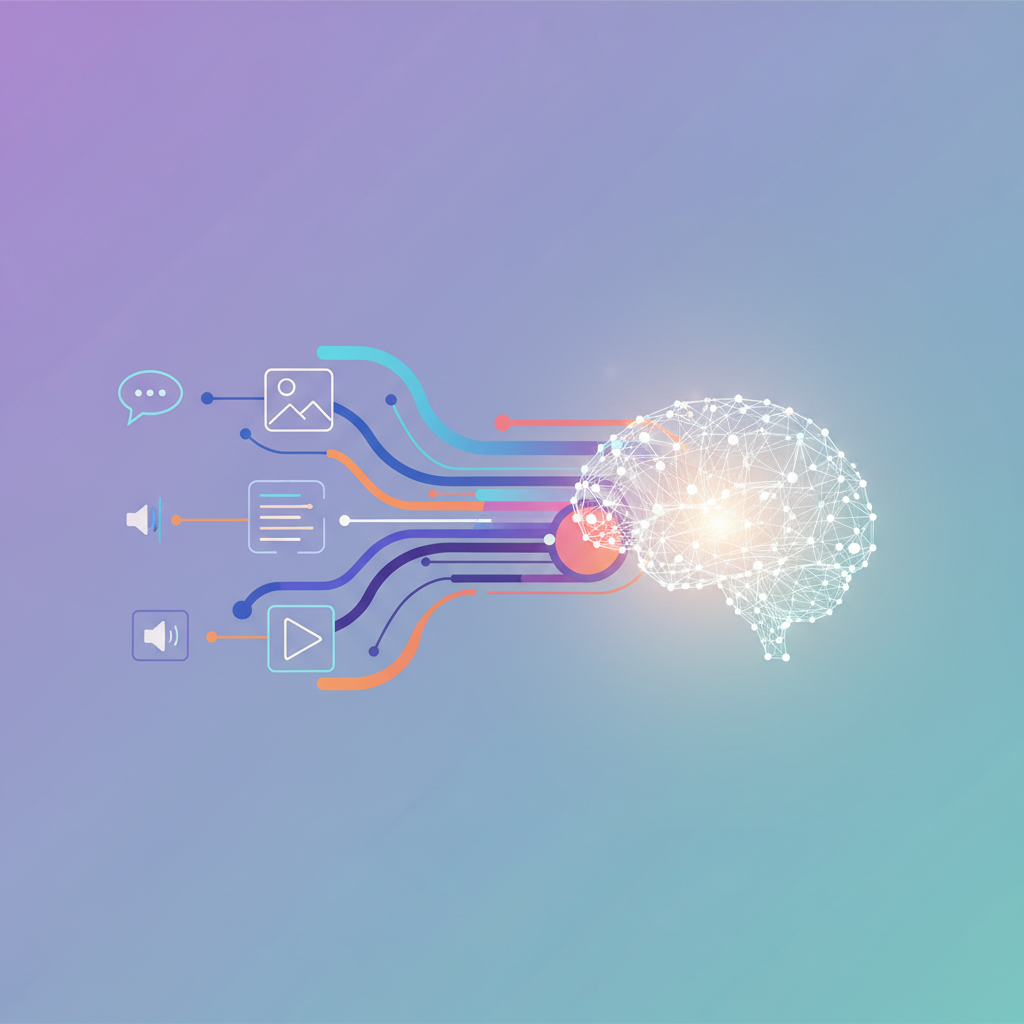
We’ve done text. We’ve done images. We even dabbled in AI voice. But the future of content isn’t about generating one type of media in isolation. It’s about seamless integration. It’s about AI that understands and creates across all senses. We’re talking about multimodal AI content. It’s here, and it's going to reshape how we tell stories, sell products, and connect with audiences.
Imagine a single prompt generating a blog post, its accompanying cover image, an audio narration, and a short video clip for social media. All coherent. All on brand. That’s the promise. And it’s not science fiction anymore. Major players like OpenAI, Google, and Meta are all pushing boundaries with models like GPT-4o, Gemini, and Llama 3, which understand and generate multiple data types at once. This isn't just an upgrade; it's a paradigm shift for content creation.
What Exactly Is Multimodal AI for Content?
Forget the AI that only writes text, or only makes images. Multimodal AI processes and generates information using multiple modalities (think senses) simultaneously. For content, this means an AI can take a text prompt and produce text, images, and audio. Or take an image and describe it, then turn that description into a short video, complete with a voiceover.
It’s about AI understanding context across different data types. It sees the image, reads the text, hears the audio, and connects the dots. This deeper understanding leads to more accurate, cohesive, and impactful content outputs. We’re moving from discrete tools to an integrated creative partner.
Why This Matters for Your Content Strategy
1. Cohesion at Scale: Maintaining consistent messaging, brand voice, and visual style across all content types is a nightmare. Multimodal AI does this inherently. One prompt, one brand identity, multiple outputs.
2. Efficiency Multiplier: Forget exporting text, then importing to an image generator, then to a video editor. Multimodal AI streamlines workflows. We create entire campaigns in a fraction of the time.
3. Richer Experiences: Audiences expect more. Static text isn't enough. Images are good. Video is better. Blending them all for a dynamic, immersive experience? That’s next level. Multimodal AI delivers this with ease.
4. Accessibility by Design: Imagine AI generating descriptive alt text for images, transcripts for videos, or translations for audio, all as part of the initial content creation process. We build accessibility in, not bolt it on.
Practical Applications: Where Multimodal AI Shines Today
This isn't about distant future tech. Multimodal AI is already impacting content production. Here’s where we see it making a difference now:
1. Automated Campaign Creation: Provide your AI with a product brief and a target audience. It generates: ad copy, social media visuals, short video snippets, and even audio ads. All from one input. This saves hours. We’re talking rapid iteration on campaigns, testing what works, faster than ever.
2. Dynamic Explainer Content: Need to explain a complex topic? Multimodal AI can generate an article, then instantly create an infographic, an animated explainer video script, and a voiceover. This caters to different learning styles and content consumption preferences, all from a single source of truth.
3. Hyper-Personalized Experiences: Imagine a user landing on your site. Based on their profile, the AI customizes not just the text, but the images, the embedded video examples, and even the audio prompts. Hyper-Personalize Content: AI-Powered Customer Journeys is no longer a dream; multimodal AI makes it a practical reality for us.
4. Interactive Storytelling: Game developers and educational content creators are already experimenting. Think choose-your-own-adventure narratives where the AI generates new scenes, characters, and dialogue in real-time, based on user choices, across text, image, and audio. Engagement levels skyrocket.
The Workflow Shift: How We Adapt
The move to multimodal AI demands a shift in our approach. We’re not just writing prompts for text anymore. We’re orchestrating a symphony of media. Here’s what changes:
1. Integrated Prompting: Our prompts become more complex, more descriptive across modalities. We specify not just what to say, but what to show, what to hear, and how it should move. This means clear instructions for tone, style, visual aesthetics, and audio characteristics. Think of it as writing a mini-screenplay for your content.
2. Iteration, Not Perfection: The first output won't be perfect. But multimodal AI is fast. We iterate. We refine. We test multiple versions of text, image, and audio combinations. Our role becomes more about curation and strategic direction than manual creation. We guide the AI, not just instruct it. This speeds up our AI Content Audits: Your Roadmap to Smarter Content.
3. Quality Assurance is Key: While AI generates, human oversight is non-negotiable. We ensure brand consistency, factual accuracy, and ethical alignment. Multimodal outputs can introduce new challenges in coherence and meaning across different media. AI Content Quality Assurance: The Unsung Hero of Scaled Content becomes even more critical.
4. Tool Integration: We’ll see a surge in platforms that seamlessly integrate multimodal AI capabilities. Our existing content stacks will need to adapt, or we'll adopt new, all-in-one solutions that handle text, image, audio, and video generation under one roof.
Looking Ahead: The Near Future of Multimodal Content
The pace of AI development is staggering. What’s next for multimodal content?
1. Real-time Content Generation: Imagine live streams where AI dynamically generates visuals or responds with relevant content segments based on audience interaction. Or personalized news feeds that don’t just show articles, but create bespoke video summaries tailored to your preferences, on the fly.
2. Emotionally Intelligent Content: AI that can not only generate diverse content types but can also analyze audience sentiment in real-time and adapt content delivery (e.g., changing music, visual style, or tone of voice) to optimize engagement or emotional impact. This is complex, but it’s coming.
3. From 2D to 3D and Beyond: Multimodal will extend beyond text, image, audio, and video into 3D models, virtual reality, and augmented reality experiences. AI generating entire virtual environments based on a text prompt, complete with soundscapes and interactive elements. The metaverse will be built on multimodal AI. We're talking fully immersive, AI-generated worlds.
Multimodal AI isn't just another tool in our content arsenal. It’s a complete reimagining of content creation. It’s about building richer, more engaging, and more efficient experiences across the board. The time to experiment is now. Those who embrace this shift will lead the next wave of digital engagement.